
Welcome to the ultimate guide to Spurn Point, a unique and fascinating treasure in East Yorkshire.
Before you embark on your journey to this stunning peninsula, there are a few things you need to know to make your visit an unforgettable one.
With its rich history, diverse wildlife, and captivating landscape, Spurn Point is a paradise for nature enthusiasts, photographers, and adventurers alike. But what are the best activities to do here? How can you make the most of your visit?
In this blog post, I’ll answer these questions and more, ensuring you’re well-prepared for a memorable trip. Let’s dive into the best things to do at Spurn Point!

This post contains affiliate links, which means I may receive a small commission, at no cost to you, if you make a purchase through a link. Find out more here.
Everything you need to know about visiting Spurn Point
Before we explore the best things to do at Spurn Point, here is a brief introduction to this unique location.
What is Spurn Point?
Spurn Point is a slender, three-and-a-half-mile long sand spit extending into the North Sea. Characterised by its distinctive narrow stretch of sand and dunes, Spurn Point serves as a natural barrier between the sea and the Humber Estuary.
Its ever-changing landscape is a result of the complex interaction between coastal currents, waves, and winds. Over time, this dynamic environment has been shaped by erosion and deposition. As a result, Spurn Point is a remarkable and ecologically rich habitat that attracts both nature enthusiasts and researchers interested in its unique geological and environmental features.
Known for its iconic lighthouse and lifeboat station, Spurn Point is a site of striking natural beauty. The peninsula alternates between being an island and being attached to the mainland, depending on the tides and weather.
It’s this raw, ever-changing nature that makes Spurn Point’s so intriguing, drawing adventurers from miles around. It’s a place where the sea, sky, and land converge, creating an unforgettable spectacle that’s deeply rooted in Yorkshire’s coastal identity.

How was Spurn Point formed?
Spurn Point’s unique shape and formation are a result of thousands of years of geological processes. It was formed through a process known as longshore drift. This is where sand and sediment are carried along the coast by the action of waves.
This process involves waves approaching the shore at an angle. As they hit the coastline, currents drag the sediments along, leading to the accumulation of materials. This then gradually forms the narrow spit of land known as Spurn Point.
The area’s unique geography is further shaped by the powerful tidal currents of the North Sea. The currents continually shift and reshape the sand and sediment. Plus, the occasional human intervention to stabilise the land aids the evolving shape and character of this iconic feature.
This constant state of flux gives Spurn Point its ever-evolving character and makes it a fascinating subject of study for geologists and enthusiasts alike.

Where is Spurn Point?
Spurn Point can be found in East Yorkshire. Specifically, at the southernmost tip of the Holderness coast, extending into the mouth of the Humber estuary. It is approximately 30 miles east of Hull and 22 miles south of Bridlington.
If you’re traveling by car, the nearest postcode for your sat nav is HU12 0UH. The peninsula is remote, but it is well signposted and easy to find once you’re close.
The journey to Spurn Point offers a scenic drive through the beautiful Yorkshire countryside. This makes it a perfect day trip for locals and visitors.

How to get to Spurn Point
If you’re travelling from Hull, it’s approximately a 45-minute drive. You can find this stunning peninsula by following the B1445 road out of Hull, then onto the B1362 which leads directly to Spurn Point.
By Public Transport
If you’re arriving by train to Hull, getting to Spurn Point is quite straightforward. Hull railway station is well-serviced by trains from many major UK cities, making it accessible from anywhere in the country.
From the station, the most direct way to reach Spurn Point is by car or taxi. The drive usually takes around 45 minutes to an hour, depending on traffic.
If you prefer public transport, there are buses (EYMS service 75) that run from Hull Interchange to Withernsea, followed by a short taxi ride to Spurn Point. Bear in mind that public transport services can be limited, especially on weekends and holidays. It’s always best to check the latest timetables in advance.
By Car
If you’re travelling from elsewhere in the UK and planning to take the M62, getting to Spurn Point by car is simple.
From the M62, you’ll want to take exit 38 onto the A63 towards Hull. Follow the A63 for approximately 20 miles until you reach the city centre.
Once in Hull, continue onto the A165, then joining onto the A1033 at Hedon. Continue this road until you reach Patrington, where you’ll turn right onto the B1445, which will lead you directly to Spurn Point.
The journey takes roughly 90 minutes to two hours from the M62, depending on traffic conditions. The route offers a chance to take in the stunning scenery of the East Yorkshire countryside along the way.
Regardless of where you’re coming from, the journey to Spurn Point is a scenic one. You’ll experience picturesque villages and vast open landscapes that give a tantalising taste of the natural beauty that awaits at your destination.
Things to do at Spurn Point
So now you know about how the land was formed, here is your guide to the best things to do at Spurn Point.
Visit Spurn Discovery Centre
Spurn Discovery Centre is the perfect place to start your adventure at Spurn Point.
This visitor centre offers a wealth of information about the unique wildlife, geology, and history of the area. This makes it a great starting point to fully appreciate the significance of Spurn Point’s natural and cultural heritage.

Additionally, Spurn Discovery Centre houses a cosy café where you can enjoy a delicious meal or a restorative cup of coffee before setting off to explore. The café also offers stunning views over the landscape, making it a pleasant place to relax and take in the scenery.
Handy facilities such as toilets are available at the centre for visitors preparing to embark on their Spurn Point adventure.
Enjoy the beaches
One of the most popular activities at Spurn Point is undoubtedly exploring its beautiful beaches. With three miles of unspoilt coastline to discover, you’ll find plenty of space to roam, relax, and revel in the natural beauty of your surroundings.
Spurn Point’s beaches are perfect for a leisurely stroll, where you can marvel at the unique land formations. You’ll potentially discover various marine artefacts washed ashore by the tides too.
Discover tranquillity unlike any other as you walk along the pristine, often deserted sand stretches that expand as far as the eye can see.

The beaches are beautifully unspoiled, far removed from the bustling crowds of more busy tourist destinations. This sense of solitude, coupled with the rhythmic lull of the North Sea waves and the panoramic views of the open sky, makes for an unrivalled beach experience.
The remote nature of the beaches also provides a stunning backdrop for photography enthusiasts. The sand, sea, and sky merge to create a breathtaking vista that changes with the time of day and seasons.
The sandy coastline is also a haven for wildlife. Keep an eye out for birds, seals, and other marine life that call this area home.
Whether you’re an avid wildlife observer, a keen photographer, or just looking for a tranquil place to unwind, exploring the beaches of Spurn Point is a must-do when visiting this unique location.

Walk to the point
Walking to the very end of Spurn Point is a unique experience. This breathtaking journey along the sandy spit allows you to truly immerse yourself in the natural beauty of the area.
As you traverse the narrow strip of land with the North Sea on one side and the Humber Estuary on the other, you’ll feel a sense of serenity that is hard to find elsewhere.
The walk gives you an opportunity to observe the diverse bird life, marvel at the dynamic and ever-changing landscape shaped by natural forces. Plus, soak in panoramic views that are nothing short of spectacular.
Reaching the tip of the Point offers a sense of accomplishment and a feeling of standing on the edge of the world. It’s an adventure not to be missed and truly one of the highlights of a trip to Spurn Point.

The walk to the tip of Spurn Point covers 3.5 miles (5.6 kilometres) from the car park at the start. This makes the round trip about 7 miles (11.2 kilometres).
This walk will take around 3 hours (not including time for pausing for photos), depending on your pace. The journey offers an easy trek along flat terrain.
However, do bear in mind that the ground can be uneven at times, with sand and shingle underfoot. Therefore, sturdy walking shoes and suitable clothing for the weather are recommended.
The route is not strenuous, but the distance does require a moderate level of fitness. Remember to take plenty of water with you, particularly if you’re walking on a hot day, as there are limited facilities along the way.
Hire a bike
If you prefer to travel on two wheels, one of the best ways to experience the natural beauty of Spurn Point is by hiring a bike.
You will find cycle hire services available at Spurn Discovery Centre. The offer a variety of bikes to suit all ages for just £10 per person per day.
Biking around Spurn Point is a great option for families or those who want to explore everything Spurn Point has to offer but in a shorter amount of time.
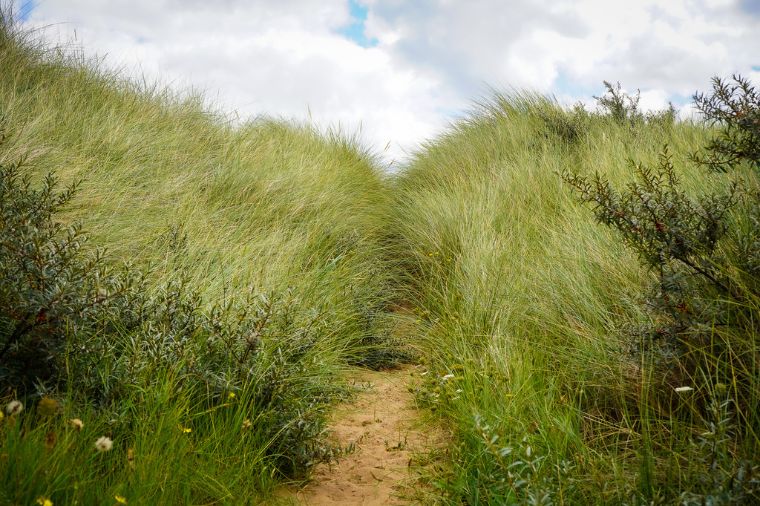
Cycling Spurn Point surrounded by fresh air, the stunning coastal views, the chirping of birds – it’s an incredible experience that you won’t want to miss.
So, when you visit Spurn Point, don’t forget to put bike hire at the top of your to-do list!
Climb the lighthouse
Another must-do activity at Spurn Point is visiting the lighthouse museum. Steeped in history, the museum presents fascinating exhibits that recount the rich maritime past of the area.
You’ll discover the pivotal role the lighthouse has played in guiding seafarers safely to shore over the centuries. Plus, learn more about the delicate ecosystem that calls Spurn home.

The museum shares tales of lifeboat crews braving the treacherous waters of the Humber Estuary. You’ll also learn about the strategic importance of Spurn during both World Wars, and the perseverance of the people who lived and worked on this isolated spit of land.
This journey through time provides a deeper understanding and appreciation of Spurn Point’s past and its influence on present-day life and landscape.
But the museum experience doesn’t end there. As you climb the spiralling stairs to the top, you’ll be rewarded with breathtaking views of the spectacular coastline.
Standing there, with the vast seascape unfolding before your eyes, you’ll really appreciate the unique beauty of Spurn Point.
Remember to bring your camera – the panoramic vistas from the top of the lighthouse make for unforgettable photo opportunities!

There is a small entry fee to enter the lighthouse. There is also a shop here selling a small selection of drinks and snacks if you need to refuel!
Go Birdwatching at Spurn Point
Birdwatching is another fantastic activity that you shouldn’t miss while visiting Spurn Point.
This remote location offers an unparalleled opportunity for bird enthusiasts to see a variety of species in their natural habitats. Spurn Point’s location at the confluence of the North Sea and the Humber Estuary makes it a prime spot for birdwatching.
It holds an irresistible allure for both casual observers of nature and dedicated ornithologists. This is thanks to its unique position along the East Atlantic Flyway, a major migration route for many species of birds.
Every year, especially during spring and autumn, a multitude of bird species pass through Spurn Point on their migratory routes.
This influx brings a variety of species, both common and rare, providing a thrilling adventure for both seasoned birdwatchers and novices alike.

The ebb and flow of the tides create a rich feeding ground for many bird species, including waders and wildfowl. From the iconic avocet to the curlew and redshank, the diversity of bird life is simply astounding.
With luck and a good pair of binoculars, you can spot rare visitors like the short-eared owl or a wheatear.
Moreover, the Yorkshire Wildlife Trust has built a world-class observatory at Spurn Point, specifically designed for birdwatching.
The observatory provides visitors with a comfortable base from which to observe birdlife, complete with all the necessary amenities. It’s also a hub of activity, with birdwatching events and guided walk programs regularly organised throughout the year.
Whether you’re a passionate birder or a casual observer, birdwatching at Spurn Point is an exceptional experience that you should try on your visit.
So, when visiting Spurn Point, packing your binoculars is necessary!
Take a Spurn Point Safari
A visit to Spurn Point would hardly be complete without embarking on a Spurn Safari – a unique adventure that promises an unforgettable exploration of this extraordinary landscape.
These 3-hour safaris, led by knowledgeable guides, offer a journey through Spurn Point that goes beyond the usual routes.
As you traverse the unspoiled terrain in a purpose-built Unimog vehicle, you will immerse yourself in the nature reserve’s rich biodiversity, learn about the local flora and fauna, and uncover the hidden geological and human stories that have shaped this unique landscape.

The safari also offers an opportunity to get close to the elusive wildlife inhabitants of Spurn Point. This is an experience that you won’t easily replicate on foot.
Whether it’s a family of roe deer darting through the underbrush, a flock of migrating birds swooping down to rest, or a colony of seals basking on a remote beach, the Spurn Safari provides a front-row seat to these captivating encounters.
So, if you’re looking for an experience that combines fun, learning, and an appreciation of nature, sign up for a Spurn Safari during your visit. It truly is a standout among the many wonders that Spurn Point has to offer.
Explore the military history of Spurn Point
Spurn Point’s fascinating history is not solely natural but also deeply intertwined with significant military events.
During both World Wars, this strategic location was transformed into a military fortress. It served as an essential line of defence for the British Isles.
The remnants of this military past, such as the numerous fortifications, pillboxes and searchlight emplacements, still dot the landscape, serving as silent reminders of a bygone era.
These wartime structures, although now abandoned and eerie, provide a captivating exploration, especially for history buffs.
Walking around these relics, you can almost hear the echoes of the past, sense the tension of soldiers keeping a watchful eye on the horizon, and imagine the comings and goings of military life.

This aspect of Spurn Point’s history adds another layer of intrigue to its charm. Visitors are reminded that this serene nature reserve was once a bustling hub of military activity.
So, as you traverse the captivating landscape of Spurn Point, make time to discover these military remains. It’s an exploration that will leave you with a connection to the site’s historical significance.
Pack a Picnic
There’s nothing quite like a picnic to enjoy the breathtaking beauty of Spurn Point.
Whether it’s on the sandy beach with the soothing sound of waves in the background or nestled in the grassy dunes under the watchful eye of the lighthouse, Spurn Point offers a host of perfect picnic spots.
Here, you can unwind and savour a meal while soaking up the unspoiled scenery and staring out to sea.

But remember it is crucial to respect this delicate environment. Please ensure that you take all your waste away with you. This practice helps preserve Spurn Point’s natural beauty for future visitors and the diverse wildlife that calls it home.
Also, BBQs are not permitted at Spurn Point. This rule is in place to prevent unwanted fires and to protect the delicate ecosystem of this unique area. Enjoy your picnic but help to keep Spurn Point pristine for everyone to enjoy!
Join a Beach Clean
Participating in a Waves of Waste Beach Clean is a rewarding way to contribute positively to Spurn Point’s preservation.
These events are an excellent opportunity for visitors to give back. You’ll have opportunity to help clear the beach of debris that endangers local wildlife and mar the natural beauty of the area.
By joining these clean-ups, you not only leave the place better than you found it, but also gain a deeper appreciation for the delicate balance of this unique ecosystem. The process is simple but incredibly impactful.

Armed with gloves, pickers, and bags, you’ll comb through the sandy shores and grassy dunes, collecting waste that has washed up or been left behind.
It’s a communal effort that fosters a sense of camaraderie amongst participants, while setting a positive example for future visitors. Plus, it’s a hands-on way to learn about the importance of waste management and conservation efforts.
So, during your visit, consider joining a Waves of Waste Beach Clean—it’s a rewarding, eco-friendly experience that enhances the splendour of Spurn Point for everyone.
See the RNLI Lifeboat Launch
The Royal National Lifeboat Institution (RNLI) has a long association with Spurn Point. The RNLI first established a lifeboat station here in 1810, acknowledging the treacherous nature of the waters and the vital need for a rescue service.
Over the years, the brave men and women of the Humber RNLI have been on countless rescue operations, often under challenging and perilous conditions.
Even after relocating to Grimsby in June 2023, Spurn Point continues to resonate with the RNLI’s enduring legacy.
The original Lifeboat Station now serves as a potent symbol of the area’s maritime history and the selfless dedication of those who risk their lives to save others in distress at sea. The lifeboat launch extends out into the Humber, and historically, would have been ready to respond to an emergency at any time.

The lifeboatmen and their families even lived on Spurn Point until as recently as 2012. Some of the houses remain as a reminder of how hardy these people had to be to live in such a remote location!
Despite the RNLI’s departure, their legacy remains an integral part of Spurn Point’s identity. Today it offers visitors an invaluable insight into this heroic chapter of the area’s maritime history.
When visiting Spurn Point, a trip to this historic RNLI village is a must. It offers a profound insight into the courage, resilience, and spirit of the RNLI crews who manned this remote outpost, ensuring the safety of those at sea.
Visit Low Lighthouse
Low Lighthouse, one of the most iconic symbols of Spurn Point, is a sight that should not be missed. Once part of a pair, the light was later replaced with a water tank. Until the building was abandoned completely.
Today, although it stands abandoned on the shore, Low Lighthouse remains a striking feature of the landscape. Its towering presence serves as a vivid reminder of Spurn Point’s rich maritime history.
If you visit at low tide, you can walk up to the base of the old lighthouse. However, if you visit when the tide is coming in, the structure will be surrounded by water and cut off from the land.
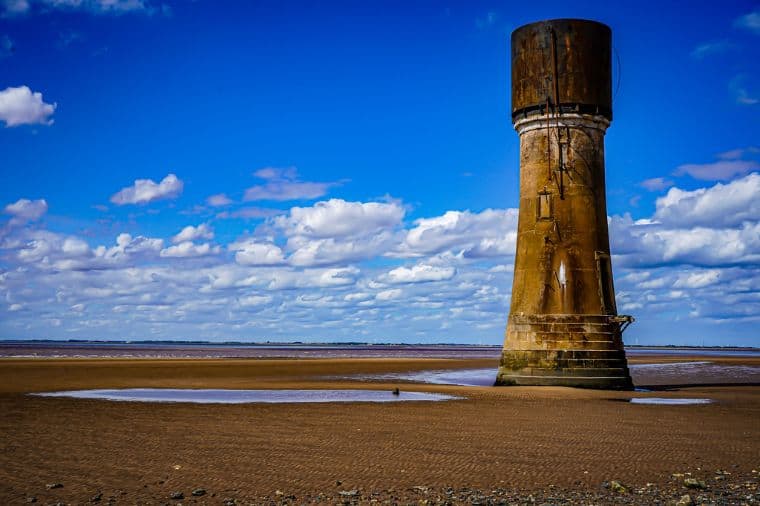
As you approach the lighthouse, its abandoned state only adds to its mystique. It evokes a sense of wonder about the countless ships it guided safely to shore over the years.
Despite no longer functioning as a navigational aid, Low Lighthouse continues to captivate visitors with its imposing architecture, its historical significance, and the panoramic views it offers from its base.
A visit to Low Lighthouse is an unforgettable experience, one that allows you to connect with Spurn Point’s maritime past and appreciate the role these guiding lights played in seafaring history.
Hunt for fossils
Fossil hunting is another exciting activity to embark on when visiting Spurn Point.
This stretch of coastline is well-known for its rich geological history, making it a treasure trove for fossil enthusiasts.
Over millions of years, the relentless waves have eroded the cliffs, revealing layers of sediment laden with the fossilised remains of ancient sea creatures. From ammonites to belemnites, Spurn Point offers a fascinating glimpse into the prehistoric past.
As you stroll along the beach, keep your eyes scanning the pebbles and rocks to see what fossils you uncover! This hands-on interaction with the past makes fossil hunting at Spurn Point a thrilling and educational activity.
It’s one of the most rewarding things to do at Spurn Point. It allows you to engage with the landscape, provides a fun and educational activity for kids and adults alike, and who knows, you might even make a discovery of your own!
Visit Spurn Bird Observatory
For nature enthusiasts and aspiring ornithologists, no visit to Spurn Point would be complete without a trip to Spurn Bird Observatory.
This sanctuary for birdlife draws enthusiasts from near and far to marvel at the variety of bird species that make Spurn Point their home.
Established in 1945, Spurn Bird Observatory has been a haven for migratory birds. It offers watchers an opportunity to see species not commonly found elsewhere in the UK.
The Observatory provides a fascinating experience, with guided bird walks and expert-led talks offering insights into bird migration and the unique features of the bird species spotted.
Every visit is a new adventure, as the bird species you’ll encounter change with the seasons. You’ll experience a fascinating glimpse into the ebb and flow of nature.
It’s an enriching, educational experience that deepens your appreciation for the biodiversity of Spurn Point, and an absolute must-do for any bird lover.
Take plenty of photos!
Spurn Point is a photographer’s paradise, presenting many opportunities to capture its diverse beauty.
From the historic lighthouses and remnants of the RNLI station to the fascinating fossils found along the beach and the hundreds of bird species passing through, each corner holds a chance for a wonderful snap.
The ever-changing patterns of the tides, the shifting sands, and the vibrant mix of flora and fauna provide dynamic scenes that change with every visit.
Plus, a sunrise or sunset at Spurn Point is a remarkable sight. A magical light casting over the landscape that is perfect for landscape photography.
So, don’t forget to pack your camera!
Whether you’re an avid photographer or someone who loves to document their journeys, taking plenty of photos at Spurn Point is an absolute must.

Things to know about visiting Spurn Point
Here are some important things to know about Spurn Point to help you plan your visit.
Facilities at Spurn Point
Spurn Point offers a range of facilities to ensure everyone has a comfortable and enjoyable visit.
Conveniently located near the entrance is the pay-and-display car park, offering ample parking space for visitors. All funds raise from the parking fee goes directly into preserving Spurn Point.
Adjacent to the car park, you’ll find a café where you can recharge with a variety of food and drink. Their menu features a wide selection of hot and cold dishes, catering to different tastes and dietary requirements.
Public toilets are also available on-site, ensuring comfort and convenience for all visitors.
For those venturing towards the lighthouse and the point, snacks and drinks are available for purchase. These are the perfect pick-me-up as you explore! Just remember to take your rubbish away with you.
Is Spurn Point dog friendly?
Unfortunately, Spurn Point is not a dog-friendly location. This policy is in place primarily to protect the diverse array of wildlife that calls the nature reserve home.
Dogs can cause distress to animals, particularly during breeding seasons, disrupting their natural behaviour, and potentially affecting their survival.
Moreover, dogs can also pose a risk to the delicate ecosystem of Spurn Point by disturbing habitats and contributing to erosion, particularly on the beach and sand dunes.
This dog-free policy helps ensure that Spurn Point remains a sanctuary for wildlife and a pristine environment for visitors to enjoy.
Please respect this regulation and leave your furry friends at home when planning a visit to Spurn Point.
Does Spurn Point get cut off at high tide?
Since the 2013 tidal surge, Spurn Point has undergone a significant transformation and can get cut off at high tide. This is an important consideration for visitors planning a trip to Spurn Point.
The natural forces of the tides can limit access. It’s essential to check tide times ahead of your visit to understand when the point may be inaccessible.
The Spurn Point website provides up-to-date tide times, allowing you to plan your visit accordingly and ensure a safe and enjoyable experience.
Always remember, nature can be unpredictable, and the beauty of Spurn Point comes with its own set of rules.
Beyond the narrow causeway, you will find shelter for emergencies if you get cut off at high tide.

You will also find a series of markers along the trail indicating how far you are from the Discovery Centre. This helps you remain conscious of the distance you will need to cover to return before the tide comes in.
Your safety and the preservation of this unique landscape are paramount, so please plan wisely and respect the forces of nature.
Places to stay near Spurn Point
Visiting Spurn Point can be a full-day endeavour or even a multi-day exploration.
To fully immerse in the beauty of this unique landscape, consider staying overnight in one of the many comfortable accommodations nearby.
Whether you prefer a luxury hotel experience or the cosy atmosphere of a holiday home, you’ll find plenty of options in the vicinity of Spurn Point.
Here are my top three recommendations:
Kingston Theatre Hotel
Situated in Hull’s city centre, Kingston Theatre Hotel offers an impressive blend of enchanting architecture and modern amenities. It provides an ideal base for those hoping to mix their Spurn Point adventure with a bit of urban exploration.
Burton Lodge Guest House
For a more peaceful retreat, Burton Lodge Guest House in Brandesburton is a charming country house set in over two acres of beautifully landscaped gardens. It’s a tranquil haven where you can relax after a day of exploring Spurn Point, with the advantage of only being a short drive away.
Bankhouse Holiday Cottage
If you prefer a home away from home, Bankhouse Holiday Cottage in Dimlington is a delightful choice. This self-catering accommodation is conveniently located near Spurn Point. It comes fully equipped with all the amenities needed for a comfortable stay, offering a perfect blend of location and comfort.
Things to take when you visit Spurn Point
To make the most out of your trip to Spurn Point, it’s important to come prepared. Here is a list of essential items you should bring along:
- Binoculars: A must for birdwatchers, binoculars will help you spot and observe the diverse bird species. Pick up a pair here.
- Camera: Whether you’re a professional photographer or a casual snapper, a camera is essential to capture the stunning landscapes and momentous views that Spurn Point offers. Shop my camera here.
- Comfortable Walking Shoes: Spurn Point involves a lot of walking. Ensure you’re wearing comfortable and durable shoes that can handle the terrain. Check out my recommendations here.
- Layered Clothing: The weather at Spurn Point can be unpredictable. Layers that you can add or remove are a smart way to adapt to changing weather conditions.
- Sunscreen & Hat: Protect your skin from the sun’s rays, especially during the summer months.
- Food and Water: While there is a café on-site, remember to bring snacks and plenty of water, especially if you’re planning a long walk.
- Fossil Hunting Tools: If you plan on hunting for fossils, a small trowel or scoop and a bag to hold your finds are handy. Get your fossil hunting kit here.
- Guidebooks & Maps: These can help you identify different species of birds and fossils, as well as guide you through the various walking trails. Grab your Spurn Point map here.
Check out this guide for a full list of my recommended hiking essentials.
Remember, preparation is the key to a successful and relaxing visit to Spurn Point. Enjoy your trip!
Frequently Asked Questions about visiting Spurn Point
Here are the answers to some popular frequently asked questions about Spurn Point to help you plan your visit.
Can you still drive to Spurn Point?
Yes, you can drive to Spurn Point. However, it’s important to note that you can no longer drive all the way to the end of the point.
There is a pay-and-display car park available at the Discovery Centre, which is conveniently located near the entrance.
From here, you can embark on a beautiful walk to reach the end of Spurn Point. The walk is approximately 3.5 miles (about a 90-minute walk) each way.

With a variety of wildlife and stunning views to enjoy along the way, the trek is well worth the effort.
Please remember to wear comfortable footwear and bring essential items such as water, snacks, and sun protection.
How long does it take to walk Spurn Point?
The full walk of Spurn Point depends on your pace and how often you stop to enjoy the sights. Typically, it takes around 4-5 hours to walk the full length of the point and back.
The trail to the end of the point is approximately 3.5 miles. This usually takes about 1.5 hours to walk one way. Hence, a round trip will be a 7-mile walk and can take around 3-4 hours.

However, if you plan to stop and admire the scenery, birdwatch, or explore the lighthouse, it’s wise to allow for an extra hour or so. Remember, Spurn Point is for you to enjoy at your own pace, so there’s no rush.
The beauty of nature is its ability to encourage us to slow down and appreciate the world around us. So, take your time and make the most of your visit to Spurn Point.
How long can you drive down Spurn Point?
While it was once possible to drive to the end of Spurn Point, this is no longer the case.
Due to severe damage during the 2013 tidal surge, the vulnerability of the area and its designation as a nature reserve, vehicle access has been limited.
Visitors can now drive as far as the Spurn Discovery Centre, where a pay-and-display car park is available. From the Discovery Centre, visitors will need to continue on foot.
This provides a fantastic opportunity to appreciate the beauty of the surroundings and encounter the diverse wildlife that makes Spurn Point such a unique location.

The walk from the Discovery Centre to the tip of Spurn Point is an unforgettable journey through one of the UK’s most distinctive landscapes.
This change in accessibility is a measure taken to ensure the longevity and preservation of Spurn Point, safeguarding this unique environment for future generations.
Can you walk along Spurn Point?
Yes, absolutely! Walking along Spurn Point is not only possible but also highly recommended. It’s one of the best walks you can do in East Yorkshire.
Offering a unique combination of stunning landscapes, diverse wildlife, and fascinating history, Spurn Point is a walker’s paradise. The trail runs the entire length of the point, about 3.5 miles. It takes you through a variety of environments from sandy beaches to grasslands and mudflats.

Along the way, you’ll enjoy unparalleled views of the Humber Estuary, North Sea, and an array of bird species. It’s an opportunity to immerse yourself in nature and experience the tranquillity and beauty that Spurn Point has to offer.
Whether you’re a seasoned hiker or a casual walker, the trail at Spurn Point has a lot to offer.
But remember, the area can be affected by high tides, so check the tide times before setting off. Ensure you have all the essentials for a safe and enjoyable walk.
How long is the spit at Spurn Point?
The spit at Spurn Point extends for about 3.5 miles (5.6 kilometres) into the Humber Estuary.
This unique landform has been shaped by centuries of tidal action, making it one of the most distinctive and dynamic coastal features in the UK.
It is worth noting, however, that Spurn Point is subject to natural changes. Its precise length can vary slightly due to erosion and deposition of sediments.
Is there a lighthouse at Spurn Point?
Yes, Spurn Point is home to not just one but two lighthouses! Each with their own distinct histories and views to offer.
The first is Spurn Lighthouse, recognisable thanks to its iconic white and black paintwork. This towering lighthouse served as a guiding light to ships for over a century before being decommissioned.
Now, it operates as a museum which visitors can explore to learn more about the lighthouse’s history and the unique ecology of Spurn Point. Climb the lighthouse’s 144 steps for a breathtaking panoramic view of the reserve.
The second lighthouse is Low Lighthouse. Even though it is no longer functioning, Low Lighthouse is a key part of Spurn Point’s landscape. Once part of a pair of lighthouses, its light was replaced by a water tank in later years.
It stands as a testament to the area’s maritime history and provides a unique photo opportunity for visitors. Please note that this lighthouse is not open to the public for interior viewings.
Both lighthouses form an essential part of the Spurn Point experience, contributing to the area’s charm and historical significance.

What is the lost town near Spurn Point?
The lost town near Spurn Point is known as Ravenser Odd. Established in the 13th century, Ravenser Odd was once a thriving port and trading hub that boasted its own mayor and court.
As prosperous as the town was, its existence was short-lived due to the eroding power of the North Sea. By the 14th century, the town had been completely engulfed by the sea due to significant coastal erosion.
This story serves as a reminder of the vulnerability of the Holderness Coast, one of the fastest eroding coastlines in Europe.
The combination of soft clay cliffs and powerful sea currents result in a yearly land loss of up to four metres. This volatile landscape is a reminder of nature’s relentless force, but also its fragility.
Spurn Point is one such location that requires our protection. Its unique geography and rich biodiversity make it an irreplaceable part of Yorkshire’s landscape. By respecting and preserving these spaces, we help ensure that future generations will also have the chance to marvel at their natural beauty.
So, when you visit Spurn Point, take a moment to remember Ravenser Odd and consider how you can contribute to preserving this breathtaking landscape for years to come.
Can I take my dog to Spurn Point?
Unfortunately, dogs are not permitted in the Spurn Point nature reserve. This policy is in place primarily to protect the diverse array of wildlife that calls the nature reserve home.
Dogs can cause distress to animals, particularly during breeding seasons, disrupting their natural behaviour and potentially affecting their survival.
Additionally, dogs pose a risk to the delicate ecosystem of Spurn Point by disturbing habitats and contributing to erosion.
Therefore, please respect this regulation and leave your furry friends at home when planning a visit to Spurn Point. This ensures that Spurn Point remains a sanctuary for wildlife and a pristine environment for all visitors to enjoy.
What time is high tide at Spurn Point?
The times for high tide at Spurn Point vary significantly based on the time of the year and environmental factors.
It’s essential that visitors are aware of the tide times, as the narrow causeway to the Point can become submerged during high tide, potentially cutting off access.
Therefore, it’s highly recommended to check the latest tide times on the Spurn Point website before your visit.
This will ensure your safety and help you plan your trip effectively. Remember, the beauty of Spurn Point is best enjoyed when we respect the rhythms of nature and take necessary precautions.
Does anyone live on Spurn Head?
Spurn Head has been inhabited for centuries. While it no longer has a permanent residential population, it is by no means deserted.
Up until June 2023, the Royal National Lifeboat Institution (RNLI) staff worked at Spurn Point. Members of the crew and their families even lived here as recently as 2012!
However, due to the challenging nature of the location, including the risk of being cut off from the mainland during high tides, the RNLI relocated its operations to Grimsby.

Historically, Spurn Point has seen a slew of inhabitants, and life at the point has always been unique.
Over the centuries, its residents have ranged from lighthouse keepers and lifeboat crews to military personnel. During the World Wars, Spurn Point was a critical military defence post. Evidence of this can still be seen today in the form of remnants of gun emplacements and pillboxes.
While Spurn Point may not be a traditional residential area, its rich history and the legacy of its residents remain an integral part of its charm.
Today, the unique location is managed by the Yorkshire Wildlife Trust, ensuring its preservation for future generations to enjoy.
Is Spurn Point eroding?
Yes, Spurn Point is indeed eroding.
This is due to the significant impact of the North Sea, which has always shaped the landscape of the Holderness Coast — a coastline known to be one of the fastest eroding in Europe. The erosion at Spurn Point is a natural process and is part of making this area so unique and dynamic.
However, rising sea levels and increased storm frequency associated with climate change pose an additional threat.
These factors can lead to more extensive and faster erosion, potentially changing the landscape of Spurn Point dramatically. Measures are being taken to manage the impacts of erosion and the Yorkshire Wildlife Trust is actively monitoring the situation.
Nevertheless, visiting Spurn Point offers a firsthand view of this ever-changing landscape.
While erosion does pose challenges, it also underlines the importance of respecting and preserving these natural areas. We are reminded that these places are not static but are continuously moulded by the forces of nature.
What birds are at Spurn Point?
For those who are enthusiastic about bird watching, Spurn Point is a real paradise. The unique landscape attracts a remarkable assortment of birds throughout the year.
A vast number of bird species can be found at Spurn thanks to the diverse ecosystems including mudflats, saltmarshes, beaches, dunes, lagoons, ponds, grasslands, and buckthorn scrub.
The site offers an excellent vantage point for witnessing visible migration, as birds arriving or departing are funnelled through its narrow spit of land.
Here are some bird species that you can expect to find when you visit:
- Common Redstart: These beautiful birds are often seen during the spring migration period.
- Black Redstart: Like the Common Redstart but with a distinctive black colour, these birds are also seen during the spring.
- Pied Flycatcher: Spurn Point is one of the best places to see these birds, especially in the spring.
- White’s Thrush: A rarity in the UK but occasionally spotted at Spurn Point during the autumn migration.
- Sparrowhawk: A year-round resident at Spurn, these birds of prey are most seen during the autumn months.
- Marsh Harrier: These large birds of prey are regularly seen at Spurn Point, particularly over the wetlands.
- Greenish Warbler: These small, leaf-green birds visit during the autumn migration.
- Sedge Warbler: Frequently seen during the summer months when they breed at Spurn Point.
- Barn Owl: An iconic sight at Spurn Point, these birds can be seen during the dawn and dusk hours.
- Short-eared Owl: These owls are visitors during the winter months, often seen hunting over the saltmarsh.
Remember, bird sightings can wildly vary depending on the season and weather conditions. Always check the latest bird sightings on the Spurn Bird Observatory website to enhance your bird watching experience.
Is Spurn Point Worth Visiting?
In conclusion, Spurn Point is absolutely worth visiting or adding to your Yorkshire bucket list.
Its unique landscape provides an unparalleled experience, be it birdwatching, exploring the historic lighthouses, or simply ambling along the tranquil paths.
With its breathtaking views and wealth of wildlife, it’s the perfect spot for nature lovers and walking enthusiasts.
Whether you’re a seasoned explorer or seeking a peaceful retreat, Spurn Point continues to captivate those who visit.

The Best Things to do at Spurn Point
So, there you have it – the best things to do at Spurn Point!
If you’re looking for a day out where you can immerse yourself in nature and escape to one of the most remote locations in the region, Spurn Point is the ideal spot.
But before I sign off, I’d love to hear from those of you who’ve already visited Spurn Point. What was your favourite sight or experience during your visit? Share your stories in the comments below!
And if you love Yorkshire as much as I do, sign up for my weekly newsletter for even more Yorkshire adventures and tips!
Until our next adventure,

Related Articles


P.S. Love it? Pin it!
If you like this guide to things to do at Spurn Point, be sure to follow Get Lost on Pinterest. That’s where I’ll be sharing all my great East Yorkshire travel guides.

Hello, I’m Hannah! I’m a writer and photographer who loves experiencing the wonders of Yorkshire. My guides will help you escape from your daily routine by showing you that you don’t have to go far to find an adventure.
Pretty cool that geological processes can create such an amazing area like Spurn Point! I looove the idea of walking, cycling and bird watching in this gorgeous area. I had no idea the coastline of East Yorkshire was this fabulous!
Fab post Hannah!
Thanks so much Josy 😊 the East Yorkshire coastline is so varied and so interesting to explore! Spurn Point is my favourite place to visit because it is so unique, but there are many beautiful spots to explore on the East Yorkshire coast! I hope you have an opportunity to visit 🤞
I’ve never heard of Spurn Point before reading this article! Thanks for letting me know about this spot. It looks like a picturesque place to visit!
Spurn Point is such a unique place and a fascinating once to visit! The landscape is unreal! I hope you have an opportunity to visit soon!
We certainly would want to visit Yorkshire on our travels around England. Your post has shown me that we should add a visit to Spurn Point for a great outdoor adventure. And enjoy the travel to get there. The beach looks lovely and unspoiled. And the hike to the point worthwhile.
Spurn Point is such a unique setting. It is a lovely place to visit and explore. It is crazy to stand at the point and be surrounded by sea water in almost every direction! I highly recommend a visit when you get the chance!
What an amazing walkthrough and this place sounds amazing!
Spurn Point is such a fascinating spot, I love visiting whenever we get the opportunity 🥰 I’m so glad you found the guide helpful!
I visited way back before the storm surge – it was certainly great for birds then. Thank you for reminding me about it.
Spurn Point is such a brilliant place, isn’t it? It is crazy how much of an impact the storm surge had! I’m glad it is still thriving and we’re able to explore this unique ecosystem, and it wasn’t washed away altogether!
You make me wanna go straight away cycling walking and bird watching there! It looks like such an interesting part of Yorkshire!
Spurn Point is such a unique place to explore! The bird watching is fantastic! I hope you have an opportunity to visit!